Working Time
| Monday - Saturday |
08:00 AM - 10:30 PM |
| Sunday | On Appointment |
Planning a pregnancy is an exciting journey, but preparing your health before conception is equally important. If you’re thinking about having a baby, understanding which fertility tests may be needed can help you take the right steps towards pregnancy. So, what tests should you consider before planning a baby?
Is your body ready for pregnancy?
Before the good news comes, good preparation, and that’s where a pre-pregnancy check plays a powerful role.
Whether you’re planning to conceive in the next 3–6 months or just starting to think about it, these essential medical tests can help you prepare for a healthier pregnancy.
This guide is for every woman (and couple) asking: What tests should I take before trying for a baby?
Let’s break it down, simply, and step-by-step.
Why Pre-Pregnancy Medical Tests Are Important
A pre-pregnancy check isn’t just about identifying problems; it’s about preparing your body for one of life’s biggest journeys.
Here’s what these tests can help with:
– Spot health issues such as thyroid imbalance, anaemia or certain infections.
– Understand your hormone levels and fertility markers when testing is indicated.
– Identify health conditions that may need attention before pregnancy.
– Support informed pregnancy planning and appropriate medical care.
Many couples also discover valuable answers to that tough question: Why do some women not get pregnant even after months of trying? Early evaluation may help identify possible reasons and guide the next steps.
A pre-pregnancy test for female health is a useful starting point.
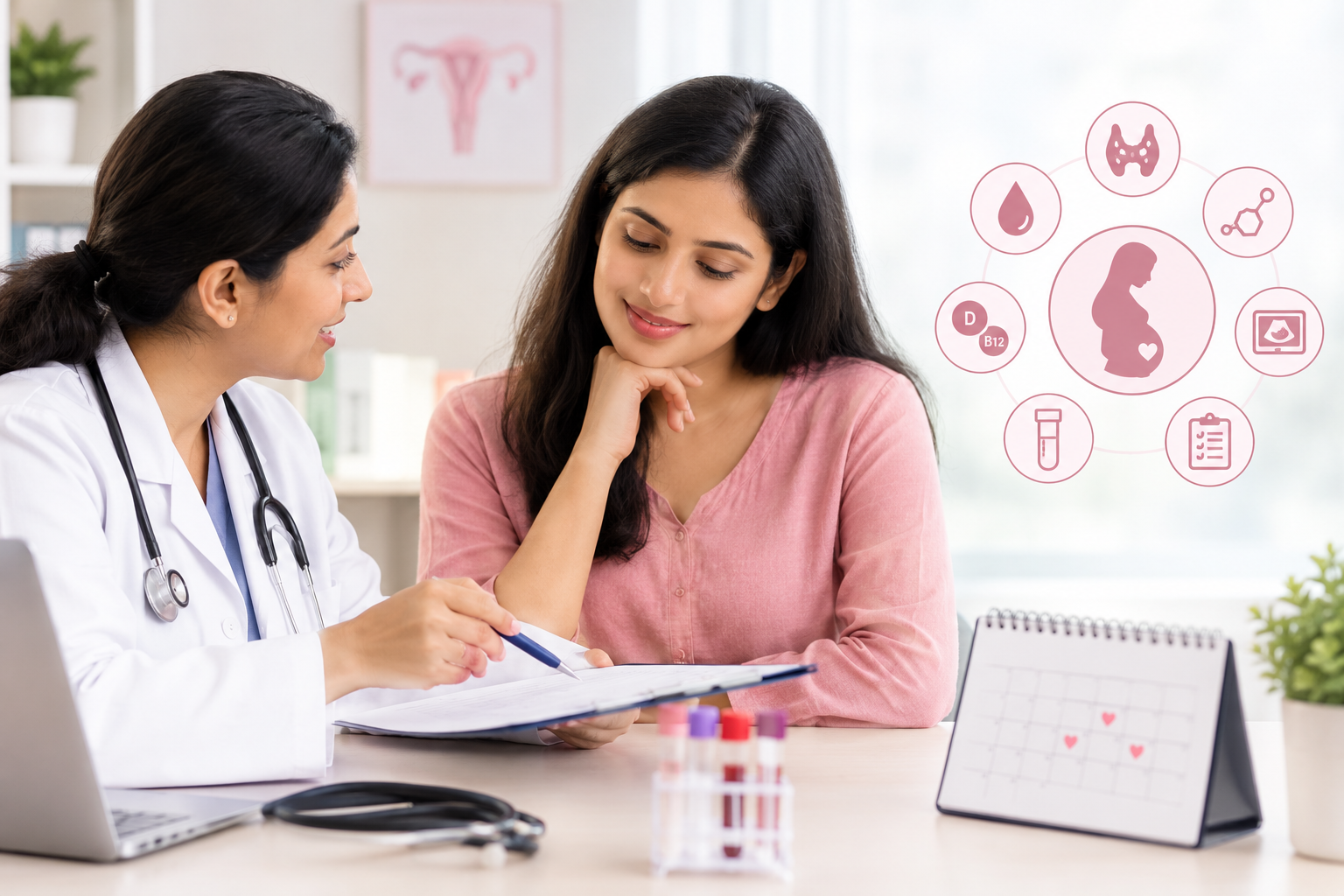
Consider arranging a preconception consultation before you begin trying to conceive. Starting a few months in advance gives your doctor time to:
– Review your health history.
– Recommend treatment or further investigations if needed.
– Discuss nutrition and supplements, including folic acid, before pregnancy.
You may want to seek advice earlier if you:
– Are aged 35 or older.
– Have irregular or absent periods.
– Are managing thyroid disease, diabetes, PCOS or other chronic conditions.
– Have experienced a previous pregnancy loss.
Note for Partners: Men may also need a fertility assessment, such as semen analysis, depending on their medical history and how long the couple has been trying to conceive. A pre-pregnancy test for couples can help both partners prepare for the journey.
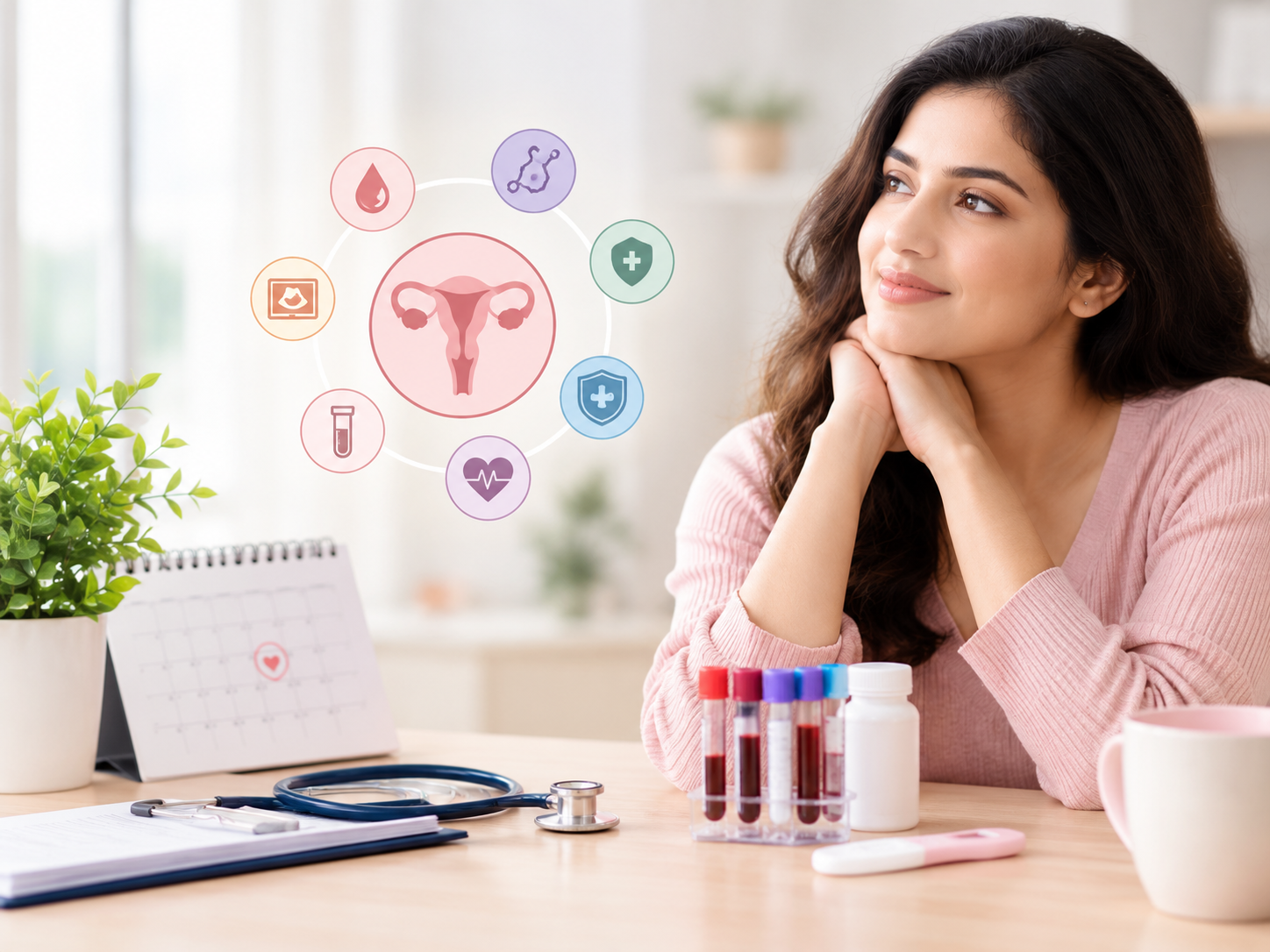
10 Pre-Pregnancy Medical Tests for Women
Let’s walk through each important test and why it matters.
1. Complete Blood Count (CBC)
A complete blood count checks haemoglobin and different types of blood cells. It can help identify anaemia and certain other abnormalities that may require further investigation.
If anaemia is detected, your doctor may recommend additional tests and appropriate treatment before pregnancy.
2. Blood Group & Rh Factor
Knowing your blood group and Rh status is useful for pregnancy planning. If you are Rh-negative, your doctor can explain whether additional monitoring or preventive treatment may be needed during pregnancy.
3. Blood Sugar (Fasting/Random) or HbA1c
Blood sugar testing may help identify diabetes or assess blood sugar control, depending on your medical history and risk factors.
Uncontrolled diabetes around conception and during pregnancy can increase the risk of complications. Your doctor can recommend the appropriate test and discuss how to manage blood sugar before trying to conceive. If you have a family history of diabetes, discuss whether a blood test before pregnancy is appropriate.
4. Thyroid Function Test (TSH, T3, T4)
Thyroid hormones play an important role in reproductive health and pregnancy. Thyroid testing may be recommended if you have symptoms, irregular periods, a previous thyroid condition or other relevant risk factors.
TSH is commonly used to assess thyroid function. Additional tests, such as free T4, may be recommended depending on your results. If a thyroid problem is identified, your doctor can advise whether treatment or monitoring is needed before conception.
5. Rubella IgG Antibody Test
Rubella infection during pregnancy can cause serious complications for the developing baby. A rubella IgG test may help determine whether you have immunity.
If you are not immune, your doctor can discuss vaccination before pregnancy. Pregnancy should generally be avoided for one month after receiving the rubella vaccine, following medical advice.
6. Hepatitis B & C, HIV, Syphilis (VDRL)
Depending on your health history and recommended screening, your doctor may advise tests for HIV, hepatitis B, hepatitis C and syphilis.
Identifying certain infections before pregnancy allows appropriate treatment, counselling and preventive measures to reduce potential risks to the mother and baby.
7. Vitamin D & B12 Levels
Vitamin D and vitamin B12 testing may be useful when symptoms, dietary patterns or other risk factors suggest a possible deficiency.
If a deficiency is identified, your doctor can recommend suitable supplements and explain whether further investigation is needed.
These tests are not necessary for every woman planning pregnancy, so discuss your individual requirements with your doctor.
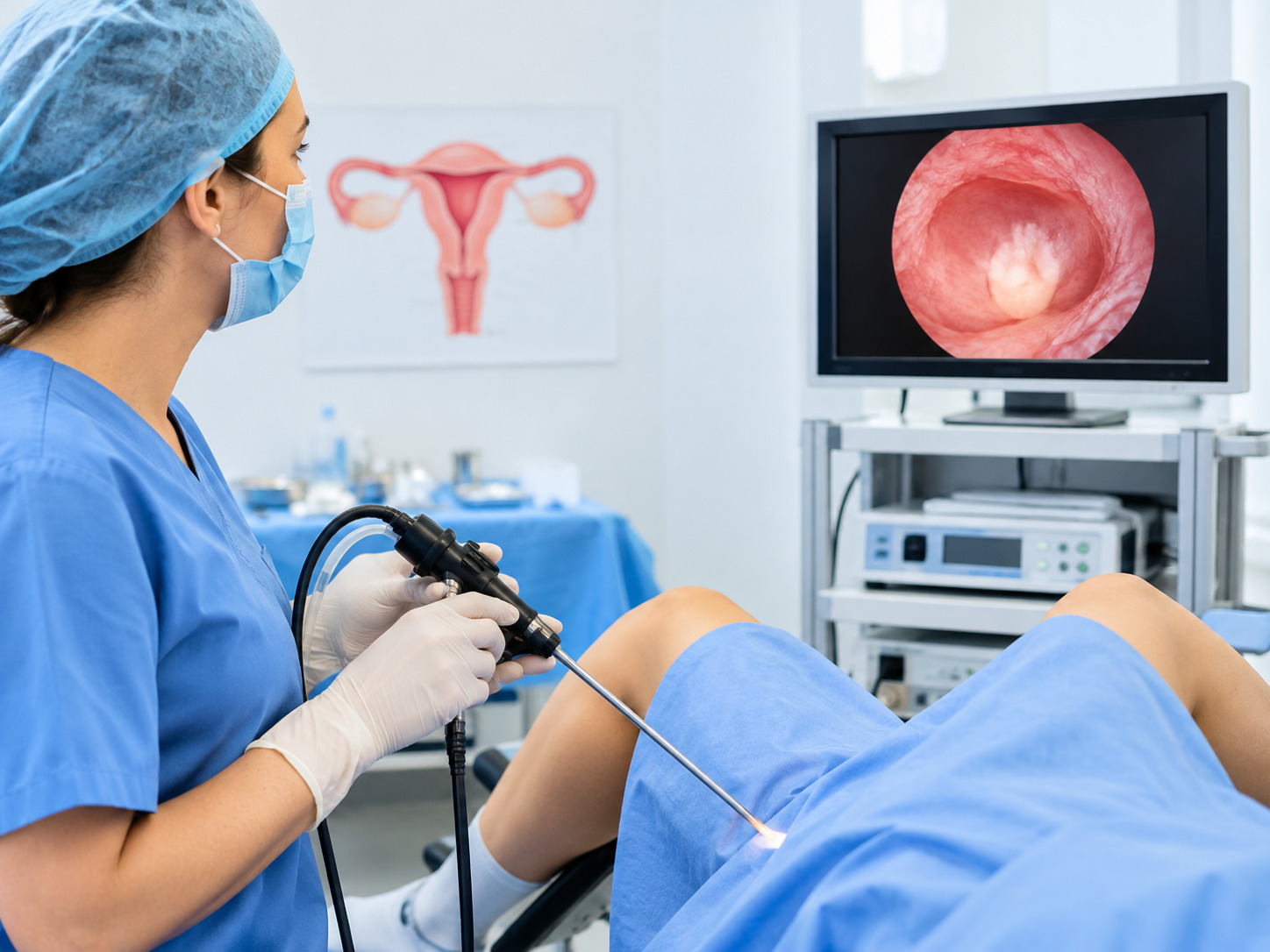
8. Pap Smear
If you are due for cervical screening, your doctor may recommend a Pap smear or another appropriate screening method before pregnancy.
This test helps identify certain changes in cervical cells that may require follow-up. It is a preventive health assessment rather than a direct fertility test.
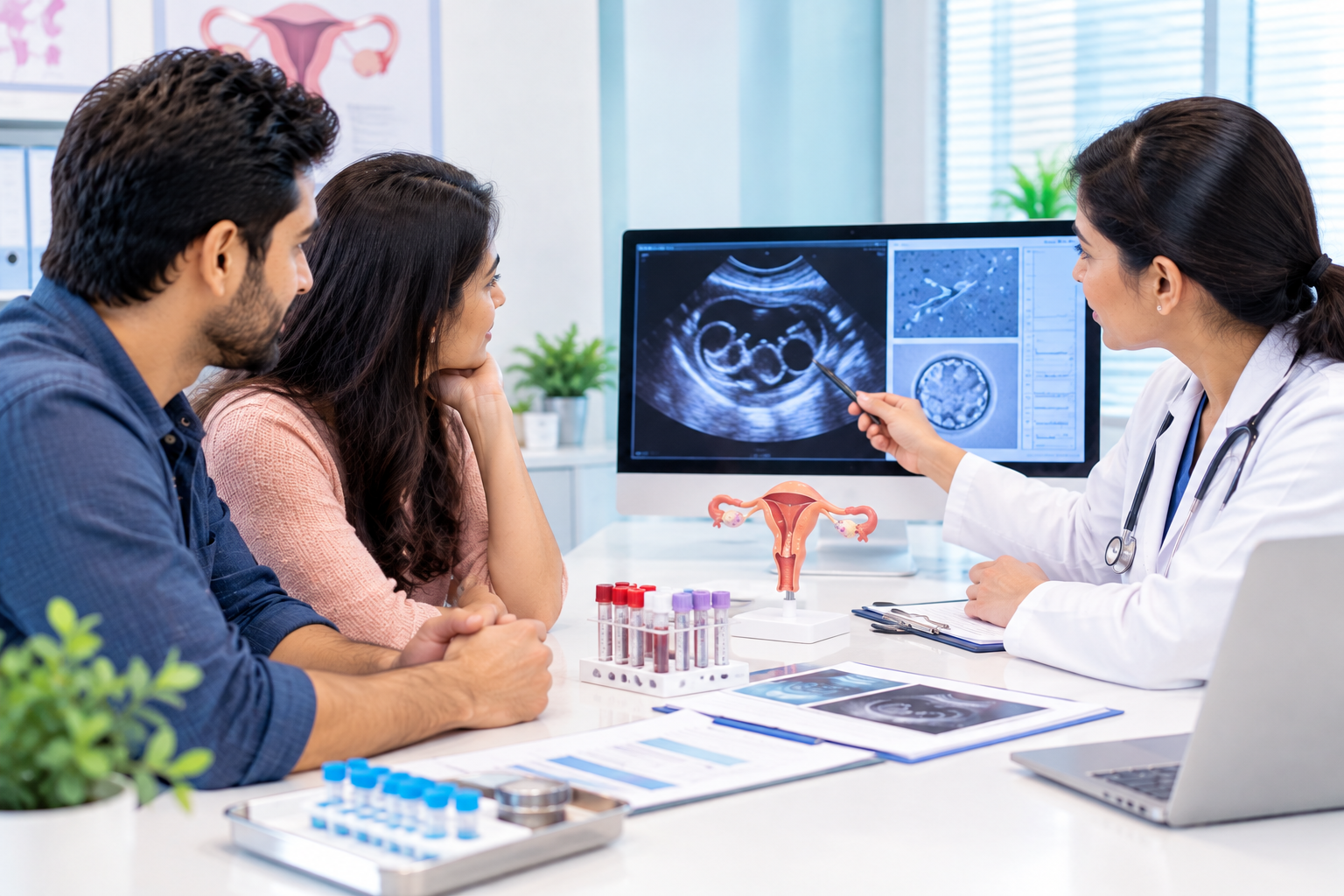
9. Pelvic Ultrasound
A pelvic ultrasound allows your doctor to examine the uterus and ovaries. Depending on your symptoms and medical history, it may help identify fibroids, ovarian cysts or structural abnormalities.
If you have irregular periods or suspected PCOS, your doctor may recommend an ultrasound as part of your evaluation. An ultrasound alone cannot diagnose every cause of infertility.
Cycle Tip: Some fertility investigations are scheduled according to the menstrual cycle. Ask your doctor about the appropriate timing for your tests.
10. Folic Acid Prescription Start
Although folic acid is not a medical test, it is an important part of preconception care. For most women planning pregnancy, 400 micrograms of folic acid daily is recommended starting at least one month before conception and continuing through early pregnancy.
Some women may need a higher dose depending on their medical history and risk factors, as advised by their doctor.
Optional Hormonal Tests (For Irregular Cycles or Other Indications)
If you have irregular periods, suspected PCOS or difficulty conceiving, your doctor may recommend additional hormonal investigations, such as:
AMH (Anti-Müllerian Hormone) – Provides information about ovarian reserve but cannot independently predict natural conception.
LH & FSH May help assess hormonal function in selected situations.
Other hormone tests, depending on your symptoms and medical history.
A hormone test before pregnancy may be useful in certain circumstances, but a complete hormone panel is not necessary for every woman.
Pro Tip: Ask Your Gynaecologist About a Pre-Pregnancy Check-Up
Some hospitals and fertility clinics offer pre-pregnancy check-up packages that combine selected blood tests and other investigations. The tests included can vary, so confirm what the package covers before booking.
If you are considering fertility treatment for women in Hyderabad a consultation can help you understand which assessments are suitable for your individual needs. Your doctor can review your medical history, menstrual cycle and pregnancy plans before recommending any additional testing.
Where to Get Preconception Tests Done in Hyderabad?
If you are planning a pregnancy, you can consult a qualified gynaecologist or fertility specialist in Hyderabad for personalised guidance.
An IVF fertility center in Hyderabad such as Aanvi Fertility and Women’s Centre can be a starting point for discussing fertility concerns and understanding whether you need routine preconception checks or a more detailed fertility evaluation.
Most importantly, the tests you need will depend on your age, medical history, symptoms and reproductive goals. IVF is not automatically necessary for women who are planning pregnancy or undergoing fertility testing.
For couples with a history of inherited disorders, recurrent pregnancy loss or other relevant risk factors, a doctor may also discuss genetic counselling or selected genetic tests.

Lifestyle, Weight & Stress: Don’t Ignore These
In addition to your pre-pregnancy test for female health, your doctor might also review:
– BMI and overall nutritional health.
– Blood pressure.
– Sleep and stress patterns.
– Medication use and vaccination history.
– Smoking, alcohol consumption and physical activity.
These factors can influence general health and pregnancy planning. Balanced nutrition, regular physical activity, appropriate supplementation and management of existing medical conditions can help you prepare for pregnancy.
Final Thought:
Preparing for pregnancy starts with understanding your health. A preconception consultation can help you identify which tests are appropriate, address potential health concerns and make informed decisions about your next steps.