Working Time
| Monday - Saturday |
08:00 AM - 10:30 PM |
| Sunday | On Appointment |
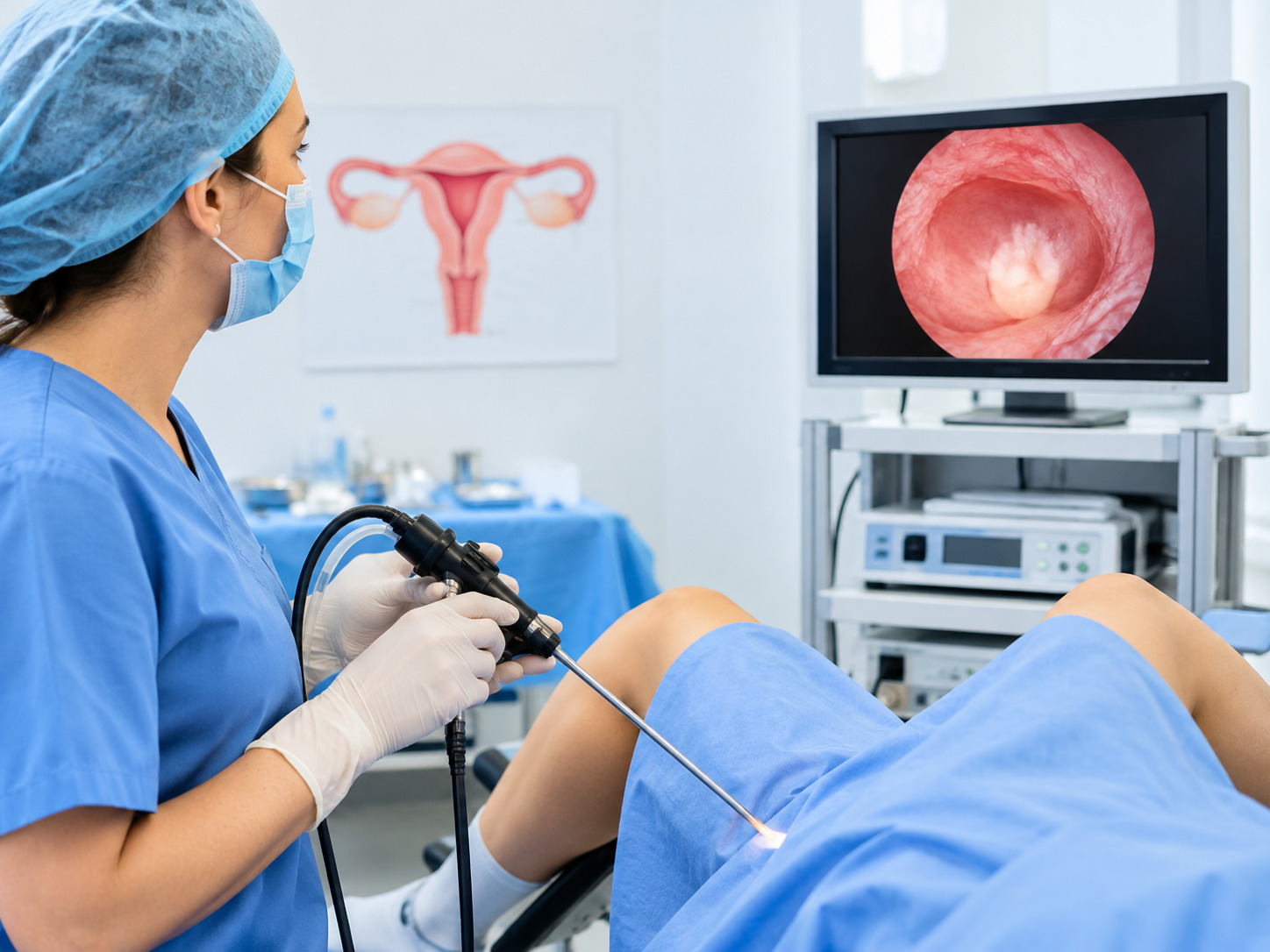
Hysteroscopy is a safe or minimally invasive procedure that lets your gynaecologist see inside the uterus clearly and treat problems at the same time. A thin lighted instrument with a tiny camera, called a hysteroscope is gently passed through the vagina and cervix. The images appear on a monitor so the doctor can examine the uterine lining in detail without any abdominal cuts or stitches.
Hysteroscopy is commonly recommended for heavy or irregular periods, bleeding between periods, uterine polyps, small fibroids, scar tissue (adhesions), a uterine septum, retained tissue after miscarriage, and unexplained fertility problems. Because it gives a direct view of the uterine cavity, it is often more accurate than ultrasound or other scans alone.
The procedure can be diagnostic, to find the cause of your symptoms or operative. where treatment such as polyp removal, fibroid removal, adhesiolysis or septum correction is done in the same sitting. This saves you from needing a separate surgery.
Most women experience only mild cramping, the procedure takes about 10 to 30 minutes and many go home the same day and return to normal activities within a day or two.
When Do You Need Hysteroscopy Surgery?
A gynaecologist may recommend hysteroscopy surgery in Hyderabad when symptoms or test results suggest a problem inside the uterus that requires further examination or treatment.
You may need it if you have:
- Heavy or prolonged periods that affect your daily life or cause anaemia
- Irregular bleeding or spotting between periods
- Bleeding after menopause which should always be evaluated
- Difficulty getting pregnant or unexplained infertility
- Repeated miscarriages or failed IVF cycles
- Uterine polyps or fibroids that are growing inside the uterine cavity
- Scar tissue (adhesions), often caused by past surgery, infection, or D&C
- A uterine septum or other structural abnormality since birth
- Retained tissue after a miscarriage, abortion, or delivery
- A misplaced or embedded IUD that is difficult to remove
- Abnormal ultrasound, HSG, or MRI findings that need confirmation
Hysteroscopy is also advised when other tests have not given a clear answer. Because the doctor can see the uterine lining directly, the cause can be identified accurately and, in many cases, treated in the same sitting.
When should you see a doctor?
Do not wait if you have unusual bleeding, severe period pain, or have been trying to conceive for a year (or six months if you are over 35) without success. Early evaluation makes treatment simpler and more effective.
How to Choose the Right Hysteroscopy Specialist?
- Check Qualifications: Select a qualified gynaecologist with specialised training in hysteroscopy and minimally invasive surgery.
- Experience: Ask about the doctor experience in diagnostic and operative hysteroscopy including polyp and fibroid removal.
- Check Hospital Facilities: Look for modern equipment, proper sterilisation and appropriate anaesthesia support.
- Review Patient Feedback: Read genuine reviews to understand the doctor’s communication and patient care.
- Discuss Pain Management: Ask about anaesthesia options, possible risks and recovery time.
- Understand the Cost: Request a clear estimate covering consultation, procedure, anaesthesia and follow-up.
- Evaluate Communication: Choose a specialist who explains your condition and treatment options clearly.
- Follow-Up: Ensure the clinic provides aftercare instructions and support throughout recovery.
Selecting an experienced hysteroscopy specialist in Hyderabad can help you make an informed decision about your uterine health. Consult a qualified gynaecologist to determine the most suitable treatment for your needs.
What to Expect During Your Visit to a Hysteroscopy Clinic?
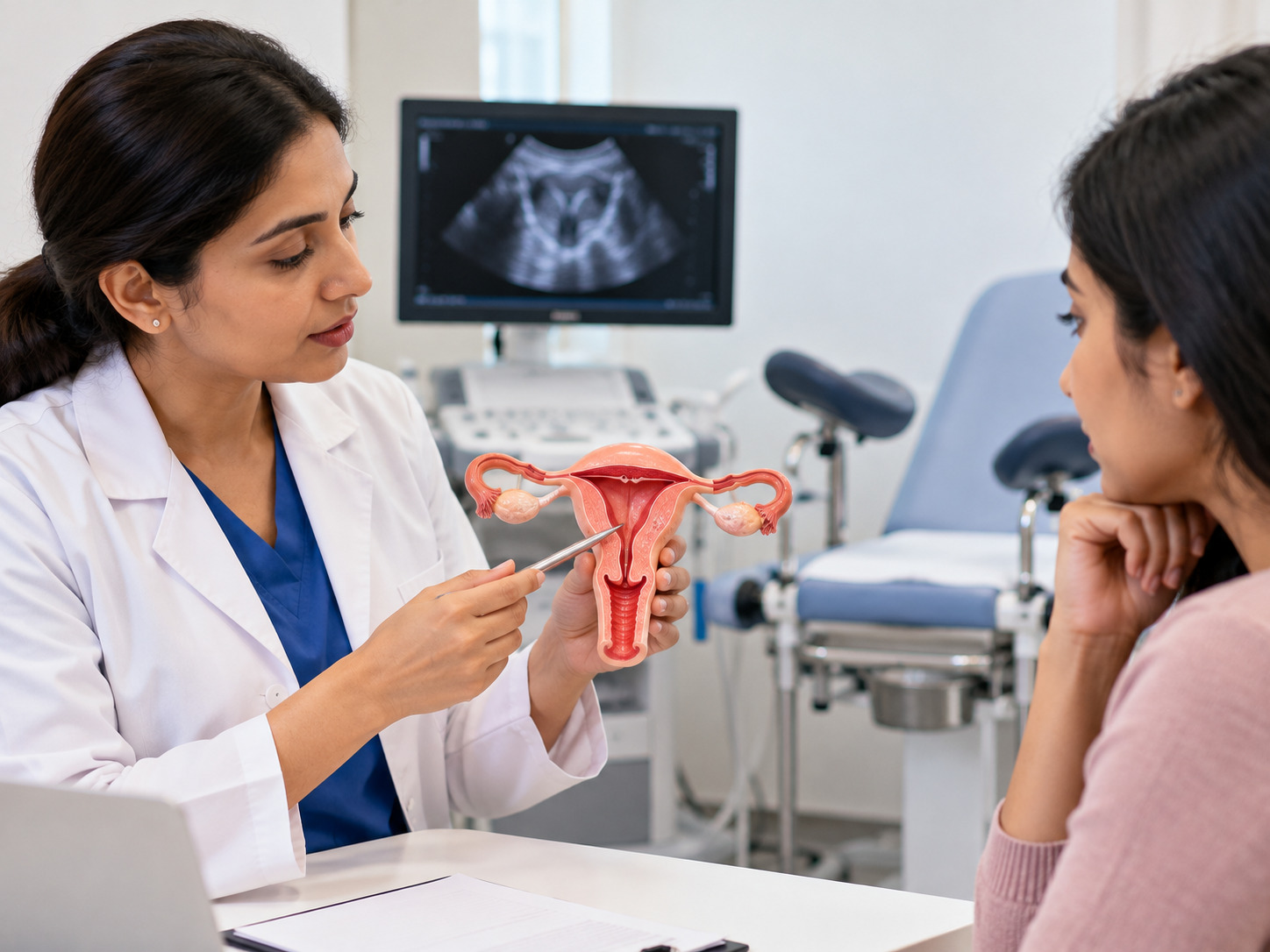
- Initial Consultation: The gynaecologist reviews your symptoms, medical history, previous reports and recommends tests if needed.
- Treatment Planning: Your doctor explains whether diagnostic or operative hysteroscopy is appropriate and along with anaesthesia options, potential risk or costs.
- Procedure Preparation: You receive instructions about scheduling, medicines and fasting if anaesthesia is planned.
- Hysteroscopy Procedure: A thin camera is gently passed through the vagina and cervix to examine the uterus. Certain problems, such as polyps, may be treated during the same procedure. The examination often takes around 10–30 minutes, depending on complexity.
- Recovery: Most patients return home the same day. Mild cramps and light spotting may occur temporarily.
- Follow-Up: Follow your doctor’s instructions about medicines and activities. Contact your doctor if you experience heavy bleeding, fever or severe pain.
How to Find the Best Hysteroscopy Hospital in Hyderabad?
- Hysteroscopy hospital in Hyderabad involves more than comparing treatment costs. Consider these important factors Choose the right Hospital.
- Experienced Gynaecologist: choose a hospital with qualified specialists experienced in diagnostic and operative hysteroscopy.
- Modern Medical Equipment: Check the hospital has suitable hysteroscopy equipment and facilities for treating uterine conditions.
- Patient Safety and Hygiene: Look for proper sterilisation, infection-control practices and appropriate anaesthesia support.
- Comprehensive Evaluation: The hospital should review your symptoms, medical history and scan reports before recommending surgery.
- Treatment Costs: Ask for estimate Treatment cost consultation, procedure, anaesthesia and follow-up visits.
- Recovery and Follow-Up Care: Choose a hospital that provides clear aftercare instructions and support if complications arise.
- Patient Reviews: Read genuine feedback about communication, staff behaviour, and the overall care experience.
Consult your diagnosis, treatment, possible risks and expected recovery with the specialist. The best hysteroscopy hospital in Hyderabad is one that meets your medical needs, prioritises patient safety and provides clear guidance throughout treatment.
Benefits of Hysteroscopy for Uterine Health?
Hysteroscopy treatment in Hyderabad allow a gynaecologist to examine the inside of the uterus and identify problems that may affect health or fertility. It helps diagnose abnormal bleeding, uterine polyps, fibroids and scar tissue. In many cases, the doctor can treat certain conditions during the same procedure. Since the instrument passes through the vagina and cervix, no abdominal incision is required. Most patients return home the same day, depending on the treatment performed. If you have persistent bleeding or fertility concerns, consult a gynaecologist to find out whether hysteroscopy is suitable for you.
Final Thought
Hysteroscopy is a safe, precise and minimally invasive way to identify and treat many uterine problems without major surgery. Whether you are dealing with abnormal bleeding, polyps, fibroids, adhesions or fertility concerns an early hysteroscopy evaluation can help your gynaecologist find the exact cause and provide the right treatment at the right time.